


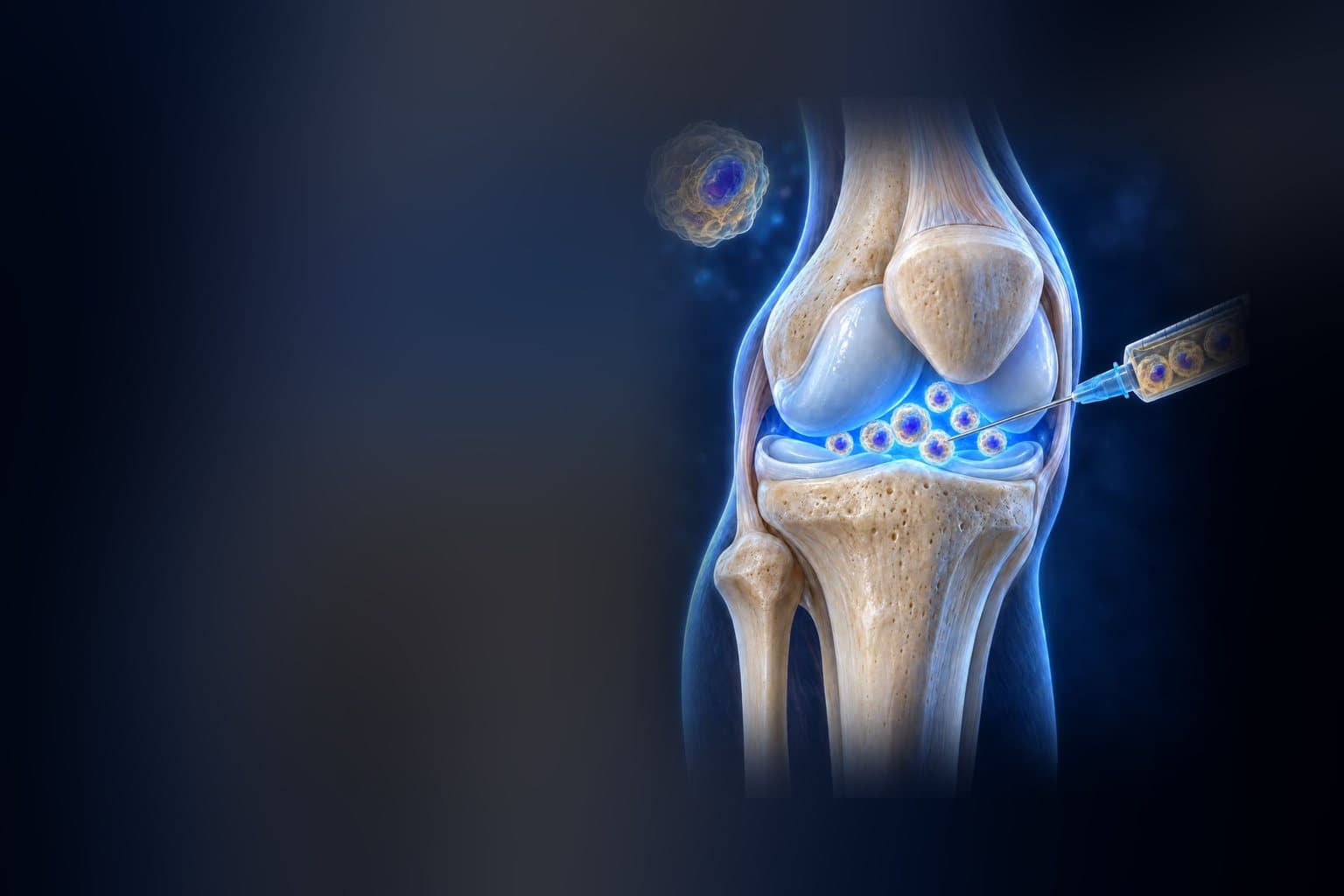
Stem Cell Therapy and PRP for Athletes: A Grappler's Guide
PRP, Bone Marrow Aspirate, Stem Cell Therapy and Exosome Therapy are injections that differ in what is used and where it comes from, and tested athletes should check their federation's anti-doping rules before treatment.
Stem Cell Therapy and PRP for Athletes
People who train hard, in Brazilian Jiu-Jitsu, wrestling or any other sport, tend to measure an injury in time away from training. Many hear about Stem Cell Therapy and PRP from teammates, podcasts and clinics abroad long before they see a doctor about it, and the descriptions they hear are rarely the same twice.
This article sets out what each Regenerative Medicine treatment is, how treatment works in Florida, what the visit involves, and the anti-doping rules that apply to athletes who are tested in competition.
At PRIME Orthopedics & Regenerative Center, Regenerative Medicine is performed by Dr. Abbasi, who is double board certified in Orthopedic Surgery and Sports Medicine and serves as a ringside physician for major professional boxing and MMA events, including the UFC.
What Each Treatment Is
Four treatments are grouped under Regenerative Medicine in an orthopedic office. They differ in what is injected and where it comes from, and each is given as an injection into the joint or tendon being treated.
PRP (Platelet-Rich Plasma)
PRP stands for Platelet-Rich Plasma. A PRP injection is a concentrate of platelets made from a small draw of your own blood, spun in a centrifuge in the office and injected into a joint or around a tendon during the same visit. Platelets carry growth factors, proteins the body uses as signals in its normal response to an injury, and PRP is designed to deliver them in concentrated form where they are needed. PRP contains platelets and plasma, and it contains no stem cells. What Is PRP? explains it in more detail.
Bone Marrow Aspirate
BMAC stands for Bone Marrow Aspirate Concentrate. It is a preparation made from a person's own bone marrow: marrow is drawn from the back of the hip bone with a needle, concentrated in a centrifuge, and given back by injection during the same visit. What Is BMAC? covers how the marrow is collected and concentrated.
Stem Cell Therapy
Stem Cell Therapy for a joint or tendon is an office procedure: an injection, not a hospital transplant. It uses either cells concentrated from your own bone marrow, collected and prepared during the visit, or donated umbilical cord tissue, prepared in advance. How Stem Cell Therapy Is Done sets out each step for both sources of cells.
Exosome Therapy
Exosomes are tiny sacs, about 40 to 160 nanometers across, that living cells release into the fluid around them. Exosomes are not cells: they have no nucleus and cannot divide. In orthopedics, Exosome Therapy generally means an injection of a preparation of exosomes collected from donor cells cultured in a laboratory. What Are Exosomes? explains what they are and how they are made.
Treatment in Florida
Many athletes have heard of people traveling to other countries for Stem Cell Therapy. Since July 1, 2025, Florida law has allowed physicians to offer Stem Cell Therapy that is not approved by the FDA in orthopedics, wound care and pain management, under conditions the law sets out. Those conditions include a written consent form that the patient signs before treatment, and a notice that must appear in the practice's advertising, which is printed at the foot of this page.
For anyone comparing practices in Florida, How to Choose a Stem Cell Clinic in South Florida sets out the questions worth asking about training and credentials.
Drug Testing and Exemptions
Athletes who are tested in competition have a further question to answer before any treatment: whether it is allowed under their federation's anti-doping rules.
The World Anti-Doping Agency's 2026 Prohibited List does not prohibit PRP, and drawing blood to prepare it is permitted. PRP that has had growth factors added to it is different, because growth factors are on the list.
Cell treatments fall under the list's rules on cell doping. USADA, the United States Anti-Doping Agency, does not require an exemption for a procedure that uses the athlete's own cells, collected and given back on the same day with nothing prohibited added, as long as the treatment restores function rather than enhances it. For any other stem cell procedure or commercially prepared stem cell product, USADA advises athletes to apply for a therapeutic use exemption, known as a TUE, before treatment.
The International Brazilian Jiu-Jitsu Federation, the IBJJF, follows the World Anti-Doping Agency's Prohibited List, and USADA carries out the testing at IBJJF events. Other leagues, promotions and federations run their own programs, and the rules change from year to year, so an athlete who is tested should check the current rules with their own federation before treatment.
What the Visit Involves
Every Regenerative Medicine treatment begins with an orthopedic examination.
- The Consultation and Examination. How the injury happened, how long it has been there and how it affects training come first, followed by the examination and any imaging needed to find what is injured.
- Preparing the Treatment. PRP is spun from a small draw of your own blood during the visit. With your own cells, a small sample of marrow is collected from the back of the hip bone under local anesthetic and concentrated during the same visit, and donated umbilical cord tissue is prepared in advance.
- The Injection. The injection is placed into the joint or tendon being treated. Where it helps, the injection is guided by ultrasound, which shows the joint or tendon and the needle on a screen as the injection is given.
- Going Home. The injection is an office procedure, and you go home the same day.
Back to Training
We recommend taking it easy on the day of the injection. Full activity is usually allowed the following day, as long as there is no pain, swelling or limping, and the same applies to PRP and stem cell injections. That includes going back to the mats.
The injuries themselves, and when one is worth having examined, are covered in Common BJJ Injuries: Knee, Shoulder and Elbow.
Why Choose an Orthopedic Surgeon for Stem Cell Therapy?
Stem Cell Therapy here begins with a full orthopedic evaluation, not a standalone injection.
Double Board Certified in Orthopedic Surgery and Sports Medicine
- Diagnosis First: A complete orthopedic diagnosis before any treatment is recommended.
- Imaging Reviewed: Your MRI and imaging reviewed by a double board certified orthopedic surgeon.
- Precise Placement: Precise, targeted placement in the joint or tendon being treated.
- Surgery If Needed: Orthopedic Surgery, performed by Dr. Abbasi, when a regenerative treatment isn't the right fit.
Questions People Ask
Is PRP allowed for drug-tested athletes?
The World Anti-Doping Agency's 2026 Prohibited List does not prohibit PRP, and drawing blood to prepare it is permitted. PRP with growth factors added is prohibited, and an athlete who is tested should confirm the current rules with their own federation.
Do I need a TUE for Stem Cell Therapy?
Under USADA's guidance, a same-day procedure with your own cells and nothing prohibited added needs no exemption. For any other stem cell procedure or commercially prepared stem cell product, USADA advises applying for a therapeutic use exemption before treatment.
Is Stem Cell Therapy legal in Florida?
Since July 1, 2025, Florida law has allowed physicians to offer Stem Cell Therapy that is not approved by the FDA in orthopedics, wound care and pain management, under conditions the law sets out, including a signed consent form.
Does insurance cover Stem Cell Therapy or PRP?
Medicare and the major insurers do not pay for PRP or stem cell injections into a joint or tendon; Medicare covers PRP only for certain chronic wounds.
Which treatment is right for me?
That is decided at the examination, from what is injured, how long the problem has been there, and how much you train and compete.
Do I need a referral?
No. You may contact the office directly. If your insurance plan requires a referral, our staff will let you know.
If you have more questions, please call the office.
Related
More Articles
- KneeCommon BJJ Injuries: Knee, Shoulder and ElbowThe knee is injured most often in Brazilian Jiu-Jitsu, above all the meniscus, the ACL and the MCL, followed by the shoulder, while in competition the elbow leads, usually from the armbar.November 3, 2026
- Stem Cell TherapyHow Stem Cell Therapy Is Done, Step by StepStem Cell Therapy is an office injection: after an examination, cells are concentrated from your own bone marrow or prepared from donated cord tissue, then injected into the joint or tendon.October 22, 2026
- Stem Cell TherapyWhat Is BMAC? Bone Marrow Aspirate Concentrate ExplainedBMAC stands for Bone Marrow Aspirate Concentrate: your own bone marrow, drawn from the back of the hip bone, concentrated in a centrifuge and given back by injection in the same visit.October 22, 2026