


I went to Doctor Abbasi after going to physical therapy for 30 sessions for a medial meniscus tear. The physical therapy definitely helped build strength but still had reduced range of motion and pain for my sport activity which is dancing (ballet, jazz). I wanted to give physical therapy a chance before considering PRP. After speaking with Dr Abbasi who is expertly knowledgeable, I decided to do my first round of PRP. It truly was a breeze, thanks to his medical assistants Karla and Kayla who assisted. Doctor Abassi is a pro at doing PRP. For me, it was as easy as getting a flu shot.. I went back a month later for follow up and concluded my improvement was about 50 to 60% better for pain and overall mobility. I can now sit down in a squat position with both knees to put on my dog’s leash as well as do some yoga movements which I could not do before like a yogi squat. I also have more mobility in my affected knee during dance classes. Dr. Abassi explained that a second round of PRP would likely benefit based on the many patients he has seen and also his own personal experience with PRP. Although there are no guarantees, I feel that it’s worth it in the long run for my quality of life and being able to continue my passion for dance In my retirement. I had my second PRP today and hoping for even more improvement.The office is impeccable and the staff caring and competent. Worth looking into especially if your injury is holding you back from what you love to do or affecting daily routine.
Read more on Google (opens in a new tab)
PRP Therapy
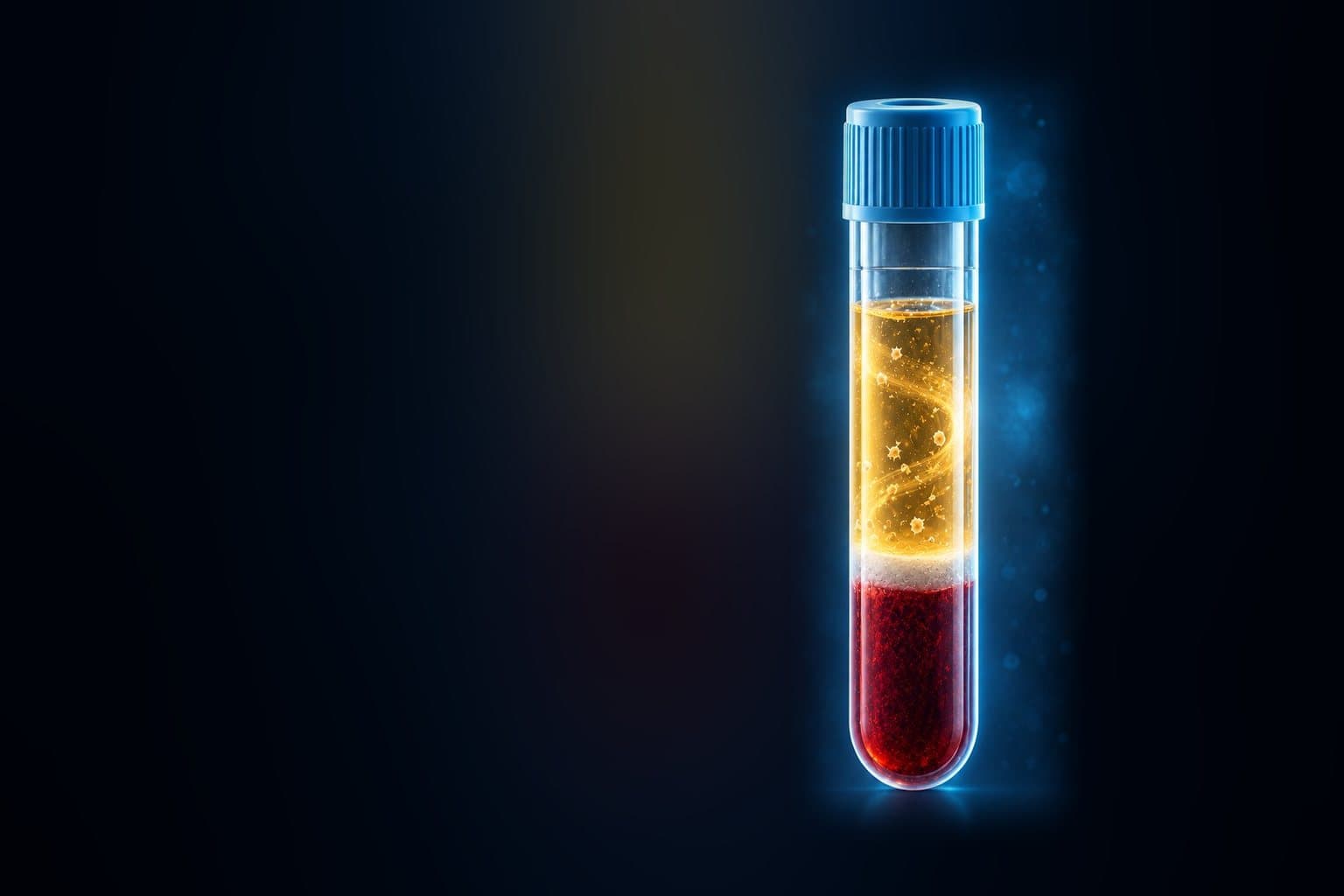
The growth factors in your own blood, concentrated and designed to support the body's natural healing.
PRP is the treatment mentioned most often in the practice's patient reviews.
We’ve helped thousands.4.9 on Google · 210 reviewsPRP Injections for Orthopedic Care
PRP is a non-surgical treatment made from your own blood: a concentrate of platelets, prepared during the same visit. Delivered directly to the injury, the growth factors the platelets release are designed to support the body's natural healing.
Conditions Commonly Relieved by PRP
Knee Osteoarthritis
Gradual wear of the knee's cartilage, and the most widely studied use of PRP.
Tennis and Golfer's Elbow
Tendon pain on the outer or inner elbow, often caused by repetitive gripping.
Tendon Injuries
Including injuries involving the rotator cuff, patellar tendon or Achilles.
Sprains and Strains
Soft-tissue injuries around a joint or muscle that remain slow to settle.
Sports Injuries
Overuse or impact injuries related to training and competition.
Persistent Joint Symptoms
Ongoing pain, stiffness or swelling that limits movement.

“In our experience, the majority of our patients report significant improvement in joint pain within the first month.”
- 01
Evaluation and Recommendation
Dr. Abbasi examines the joint, reviews your imaging and recommends a plan.
- 02
Blood Draw and Preparation
A small sample of blood is drawn and processed in a centrifuge in the office to concentrate the platelets.
- 03
Targeted Injection
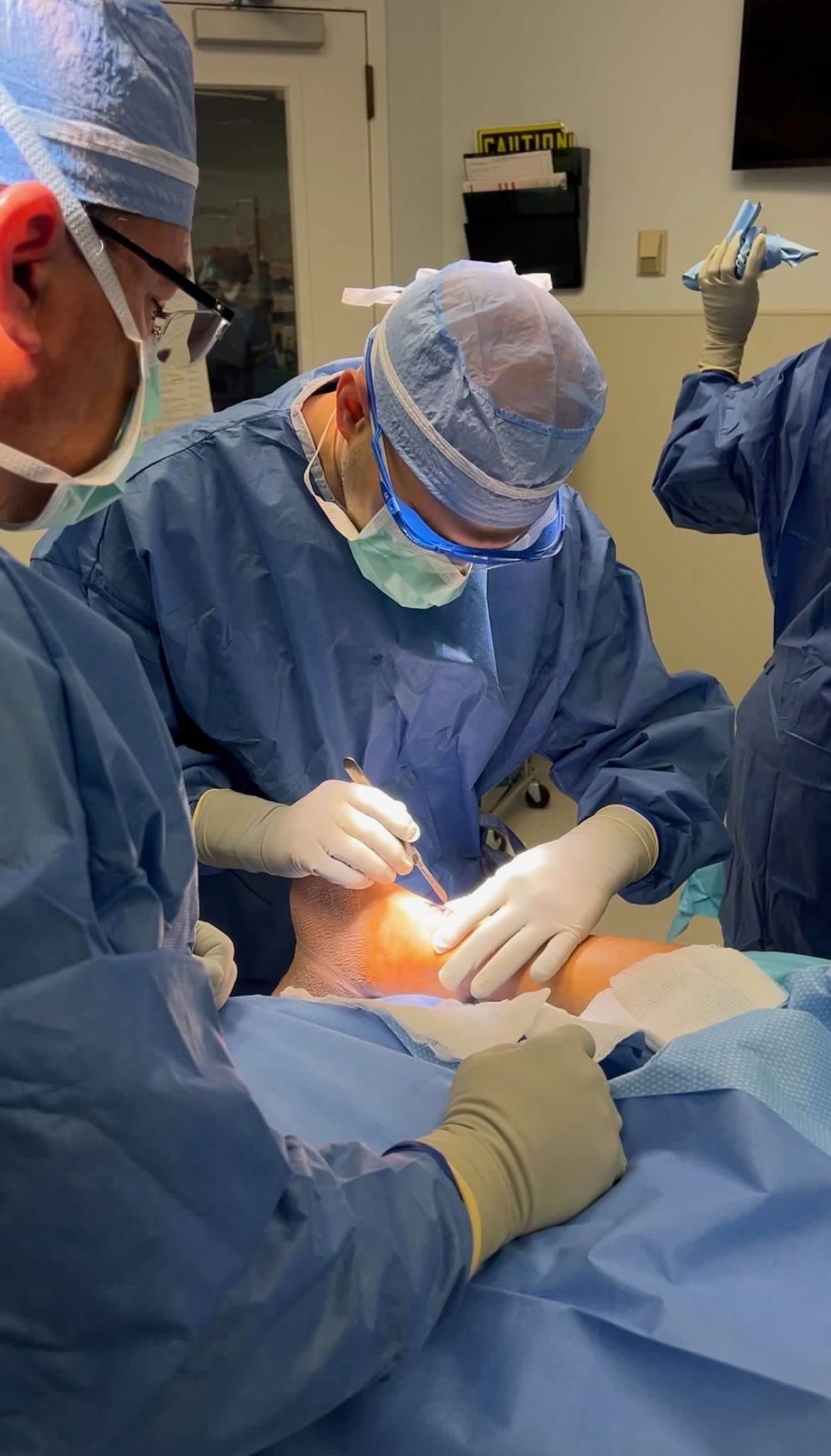
Dr. Abbasi injects the concentrate at the site of the injury, in the office.
- 04
Recovery and Aftercare
It is a band-aid procedure, and most patients resume light activity the same day.
What Is a PRP Injection?
Ask About a ConsultationA PRP injection is an injection of platelet-rich plasma: a concentrate of platelets made from a small sample of your own blood. It is injected at the site of the injury, in the office, in a single visit.
Platelets are the part of your blood involved in the body's response to injury, and they carry growth factors involved in natural tissue repair. PRP is made from a small sample of your own blood, processed in a centrifuge in the office to separate the platelets from the red blood cells. What remains is a concentrate with several times the platelets of ordinary blood. Because it is your own blood, the risk of a reaction is low, and it is injected under ultrasound guidance during the same visit.
Common Questions
How long does the visit take?
PRP is completed in a single office visit. Your consultation and treatment plan determine the exact timing.
Does the procedure hurt?
The procedure involves a standard blood draw and a brief injection. Afterward, you walk out of the office.
How many injections will I need?
Some patients receive a single injection; others receive a short series spaced a few weeks apart. Dr. Abbasi will recommend the number at your consultation.
How soon might I notice a change?
Response varies from person to person. Improvement is often assessed during the first month and may continue to develop afterward. No outcome can be guaranteed.
How is PRP different from stem cell therapy?
PRP is prepared from your blood and uses platelets that release growth factors; it does not contain stem cells. Stem cell therapy uses cells from bone marrow or donated cord tissue. Your examination helps determine which option, if either, is appropriate.
Can I have PRP if I might need surgery later?
Yes. If surgery becomes necessary, it is performed by Dr. Abbasi.
4.9 from 210 reviews on Google
What Patients Say
Read firsthand accounts of the examination, communication and care patients received at PRIME Orthopedics & Regenerative Center.
Read patient reviews (opens Google in a new tab)


