


What Is BMAC? Bone Marrow Aspirate Concentrate Explained
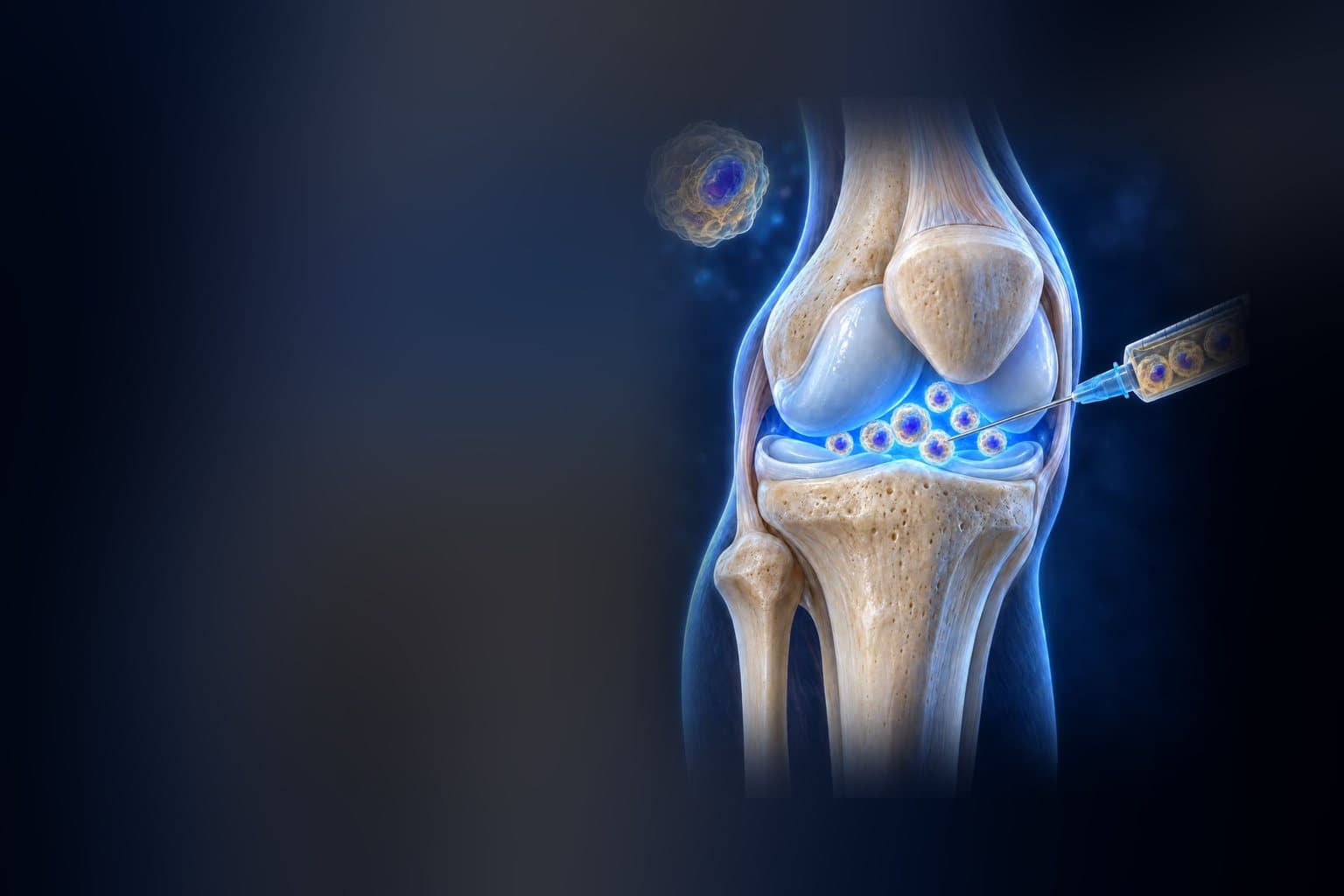
BMAC stands for Bone Marrow Aspirate Concentrate: your own bone marrow, drawn from the back of the hip bone, concentrated in a centrifuge and given back by injection in the same visit.
What Is BMAC?
BMAC is a term many people first meet on a list of Regenerative Medicine options, often with no explanation of what the letters mean. BMAC stands for Bone Marrow Aspirate Concentrate. It is a preparation made from a person's own bone marrow: marrow is drawn from the back of the hip bone with a needle, concentrated in a centrifuge, and given back by injection during the same visit.
BMAC is not the bone marrow test that doctors order to check the blood. That test, a bone marrow aspiration and biopsy, removes a small sample to be examined in a laboratory. BMAC uses a similar needle at the same site, but the marrow is concentrated and returned to the same person.
At PRIME Orthopedics & Regenerative Center, BMAC is performed by Dr. Abbasi, who is double board certified in Orthopedic Surgery and Sports Medicine, after a full orthopedic examination.
More About Bone Marrow Aspirate
What Bone Marrow Is
Bone marrow is the soft, fatty tissue inside bones, and it is where the body makes its blood cells. The body holds just under 6 pounds (about 2.5 kilograms) of red and yellow marrow, which produces billions of new blood cells every day: red blood cells, which carry oxygen; white blood cells, which fight infection; and platelets, which help blood clot.
There are two kinds of marrow.
- Red Marrow is where blood is made. It holds hematopoietic stem cells, the blood-forming stem cells from which every type of blood cell arises.
- Yellow Marrow is made up mostly of fat cells, and it also holds mesenchymal stem cells.
Alongside the blood-forming cells, marrow contains a supporting framework of cells called the stroma. Among them are mesenchymal stromal cells, which are often called mesenchymal stem cells. In adults, the pelvis remains a rich source of red marrow, which is why the iliac crest, the curved upper rim of the hip bone, is the most common place to collect marrow for orthopedic use.
What a Bone Marrow Aspirate Is
To aspirate is to draw fluid out through a needle with a syringe. A bone marrow aspirate is the liquid part of the marrow, drawn from inside the bone. It looks much like blood, because it is full of blood cells, but it also carries the other cells of the marrow.
A bone marrow biopsy is different. It removes a small solid core of bone together with the spongy marrow inside it, while an aspiration draws off only the liquid part. Bone Marrow Aspirate Concentrate is aspirate that has been concentrated, so that the cells and platelets it carries are packed into a smaller volume.
How BMAC Differs From a Bone Marrow Biopsy
Many people searching for bone marrow aspirate are reading about a diagnostic test, so it helps to separate the two clearly.
A diagnostic bone marrow aspiration and biopsy is ordered to diagnose or monitor blood cancers such as leukemia, lymphoma and myeloma, and blood disorders such as anemia. A small sample is taken and sent to a laboratory to be examined under a microscope. The procedure usually takes about 30 to 45 minutes.
BMAC shares the site and the first steps of that test: both are usually performed at the back of the hip bone, with the area numbed by a local anesthetic and a needle passed into the bone. The differences lie in what happens next.
- The Purpose. The diagnostic test examines the marrow, while BMAC prepares the marrow to be given back to the same person.
- The Amount. The diagnostic test takes a small sample. BMAC draws a larger volume so that it can be concentrated.
- Where It Goes. A diagnostic sample goes to a laboratory. In BMAC, the marrow is concentrated beside the patient and returned by injection in the same visit.
If a doctor has ordered a bone marrow test to check your blood, that is a separate procedure.
How the Marrow Is Collected
The collection is called the harvest. The steps below follow a widely cited published orthopedic technique.
- Positioning. The patient usually lies face down. The collection site is the posterior superior iliac spine, the bony point at the back of the pelvis that sits beneath the two dimples above the buttocks. The front of the pelvis is an alternative site, with the patient lying face up.
- Numbing. The skin and the surface of the bone, called the periosteum, are numbed with a local anesthetic such as lidocaine. Some published techniques add light sedation; at this practice, the collection is done under local anesthetic only.
- The Needle. A trocar, a stiff hollow needle with a removable inner rod, is placed against the bone and advanced through its hard outer layer into the marrow cavity, either by hand or with a small powered driver.
- The Draw. A syringe is attached and the liquid marrow is drawn up. The syringe holds a small amount of anticoagulant, such as heparin, so that the marrow does not clot. That technique draws about 60 milliliters, roughly four tablespoons, using 30-milliliter syringes.
The needle is often repositioned during the draw. The first milliliter drawn from any one spot holds the most marrow cells, and later milliliters from the same spot contain far fewer, so several smaller draws from slightly different points collect more cells than one large draw from a single point.
How the Marrow Is Concentrated
Once collected, the aspirate is concentrated in a centrifuge, a machine that spins a sample at high speed. Commercial point-of-care systems, closed sets of tubes and containers built for preparing BMAC beside the patient, are commonly used.
Spinning separates the aspirate by weight into three layers. The heavy red blood cells sink to the bottom, and the plasma, the liquid portion, rises to the top. Between them forms a thin, pale band called the buffy coat, which holds the nucleated cells, meaning cells with a nucleus, such as white blood cells and the marrow's stem cells, along with the platelets. That middle layer is collected with a small amount of plasma as the concentrate.
Protocols differ in their details. In one published method, the aspirate is passed through a fine filter and spun twice, leaving about 6 milliliters of concentrate. A review of 13 studies found that about 5 milliliters of concentrate was commonly used.
The concentrate is then drawn into a syringe and injected, into a joint or around a tendon, in the same visit. The cells are not frozen, stored or sent away.
What Is in the Concentrate
The concentrate holds a mixture of the cells and proteins found in marrow, packed into a small volume.
- White Blood Cells make up most of the nucleated cells, including a significant number of monocytes.
- Hematopoietic Stem Cells, the marrow's blood-forming stem cells, are carried into the concentrate along with the other nucleated cells.
- Mesenchymal Stromal Cells, often called mesenchymal stem cells, make up a very small fraction of the nucleated cells, estimated at between 0.001% and 0.01%, or roughly one in every 10,000 to 100,000.
- Platelets are concentrated along with the cells.
- Proteins measured in BMAC by laboratory analyses include PDGF, TGF-β, BMP-2, BMP-7 and interleukin-1 receptor antagonist (IL-1Ra).
Concentration increases the number of cells in each milliliter, but it does not substantially change the proportion of stem cells among them. The yield differs from person to person and with the collection site, the technique and the system used.
BMAC vs PRP
BMAC and PRP are both made from your own body, and both are prepared with a centrifuge during the same visit. They differ in what they start from and what they contain.
- Starting Material. PRP starts with blood drawn from a vein in the arm, while BMAC starts with marrow drawn from inside the hip bone.
- Collection. PRP needs an ordinary blood draw, while BMAC needs a local anesthetic and a needle passed into the bone.
- Contents. PRP is a concentrate of platelets in plasma, with platelets at several times their level in ordinary blood. BMAC concentrates the marrow's nucleated cells, mostly white blood cells but also blood-forming stem cells and a small fraction of mesenchymal stromal cells, along with platelets.
BMAC vs Cells Multiplied in a Laboratory
BMAC is sometimes confused with preparations that use cells multiplied in a laboratory, known as culture-expanded cells. The difference lies in what happens between collection and injection. In a culture-expanded preparation, cells are taken from the body and kept in a laboratory for weeks, so that they divide and multiply before they are used. BMAC is not cultured or multiplied: the marrow is concentrated and returned in the same visit, and the cells it contains are the ones collected that day, packed into a smaller volume.
BMAC is one of the ways a Stem Cell Therapy injection can be prepared. The article on how Stem Cell Therapy is done describes the visit from start to finish.
What the Collection Feels Like
Accounts of the diagnostic bone marrow test, which uses the same site and a similar needle, give a fair picture of what the harvest feels like.
- A brief sting is felt as the local anesthetic goes in.
- Pressure is felt as the needle passes into the bone.
- A brief, deep ache, sometimes felt down into the hip or leg, is common while the liquid marrow is drawn.
The back of the hip bone is the preferred site partly for comfort, since collection from the breastbone is reported to be more painful. Afterward, the site is usually sore for a few days, and mild bruising on the lower back or buttock is common in the first week. Guidance for the diagnostic test asks patients to keep the site clean and dry for 24 hours. Bleeding, infection and a reaction to the anesthetic are uncommon.
Why Choose an Orthopedic Surgeon for Stem Cell Therapy?

Stem Cell Therapy here begins with a full orthopedic evaluation, not a standalone injection.
Double Board Certified in Orthopedic Surgery and Sports Medicine
- Diagnosis First: A complete orthopedic diagnosis before any treatment is recommended.
- Imaging Reviewed: Your MRI and imaging reviewed by a double board certified orthopedic surgeon.
- Precise Placement: Precise, targeted placement in the joint or tendon being treated.
- Surgery If Needed: Surgical options from the same physician when a regenerative treatment isn't the right fit.
Questions People Ask
What does BMAC stand for?
BMAC stands for Bone Marrow Aspirate Concentrate. It is bone marrow drawn from the hip bone, concentrated in a centrifuge and given back by injection in the same visit.
What is a BMAC procedure?
A BMAC procedure has three stages, completed in one sitting. Marrow is drawn from the back of the hip bone after the area is numbed, concentrated in a centrifuge, and injected into a joint or around a tendon.
What is bone marrow aspirate?
Bone marrow aspirate is the liquid part of the bone marrow, drawn from inside a bone through a needle. It is collected in small amounts for diagnostic tests and in larger amounts to make BMAC.
Is BMAC the same as a bone marrow biopsy?
No. A bone marrow biopsy is a diagnostic test that removes a small sample to be examined in a laboratory. BMAC uses the same site and a similar needle, but the marrow is concentrated and returned to the same person.
What is the difference between BMAC and PRP?
PRP is made from blood drawn from the arm and concentrates platelets in plasma. BMAC is made from marrow drawn from the hip bone and concentrates the marrow’s nucleated cells, including a small fraction of mesenchymal stromal cells, along with platelets.
Does BMAC contain stem cells?
Yes. The concentrate contains the marrow’s blood-forming stem cells and its mesenchymal stromal cells, which together make up a small fraction of its cells. Most of its cells are white blood cells.
Does the bone marrow harvest hurt?
The area is numbed first. The sensations commonly described are a sting from the anesthetic, pressure as the needle enters the bone and a brief deep ache while the marrow is drawn, followed by soreness at the site for a few days.
How much bone marrow is taken for BMAC?
One widely cited published technique draws about 60 milliliters, roughly four tablespoons, from the back of the hip bone.
Are the cells in BMAC grown in a lab?
No. BMAC is not cultured or multiplied. The marrow is concentrated beside the patient and returned in the same visit.
Do I need a referral?
No. You may contact the office directly. If your insurance plan requires a referral, our staff will let you know.
If you have more questions, please call the office.
Related
More Articles
- Stem Cell TherapyHow Stem Cell Therapy Is Done, Step by StepStem Cell Therapy is an office injection: after an examination, cells are concentrated from your own bone marrow or prepared from donated cord tissue, then injected into the joint or tendon.October 22, 2026
- PRP TherapyBefore and After a PRP Injection: What to ExpectYou walk out of the office after a PRP injection and drive home; in our experience soreness eases within minutes and most patients return to full activity the next day.October 22, 2026
- PRP TherapyDoes Insurance or Medicare Cover PRP and Stem Cell Therapy?Medicare and the major insurers do not pay for PRP or stem cell injections into a joint or tendon; Medicare covers PRP only for certain chronic wounds.October 22, 2026