


 Carine Harvey5 out of 52 months ago
Great office, staff and Dr Abassi is very organized and efficient. They offer great alternatives to surgery. They know what they are doing and I highly recommend!
Read more on Google (opens in a new tab)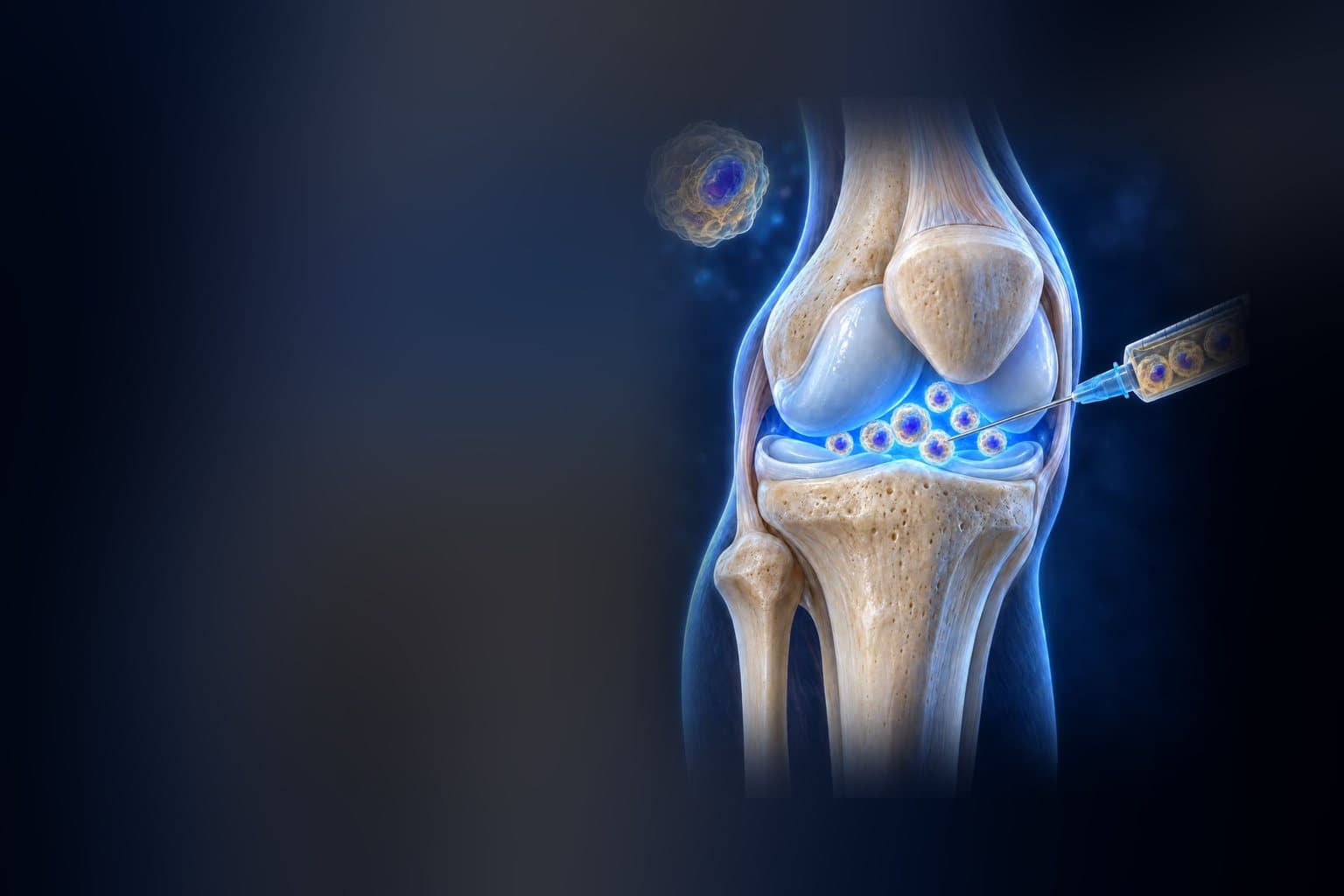
Living repair cells, injected right at the injury to help your joint heal.
We’ve helped thousands.4.9 on GoogleYou don't need to travel to Colombia or Mexico for world-class Stem Cell Therapy when it's available here in Delray Beach.
Stem Cell Therapy delivers a concentration of stem cells to the injured joint, where their signals may help calm the inflammation behind the pain and support the tissue's repair. Dr. Abbasi offers this treatment in Delray Beach and is board certified in Orthopedic Surgery and Sports Medicine. He evaluates the joint, reviews your imaging and performs the injection in one office visit.
Gradual cartilage wear that can make a joint painful or stiff.
Injury to the smooth surface that helps a joint move freely.
Including injuries involving the Achilles, patellar tendon or rotator cuff.
Soft-tissue injuries around a joint or muscle that remain slow to settle.
Overuse or impact injuries related to training and competition.
Ongoing pain, stiffness or swelling that limits movement.
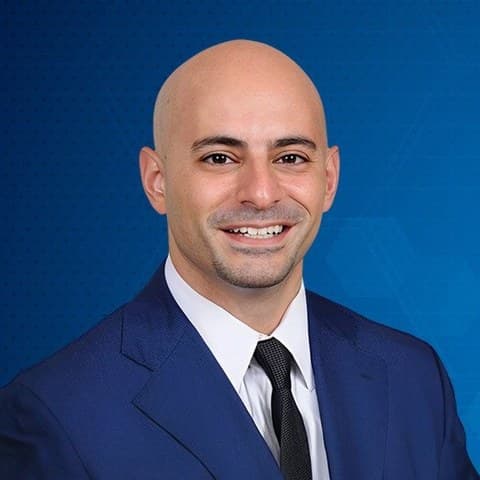
“In our experience, the majority of our stem cell patients report significant improvement in joint pain within the first month.”
Stem Cell Therapy here begins with a full orthopedic evaluation, not a standalone injection.
Double Board Certified in Orthopedic Surgery and Sports Medicine
Stem cells have two important abilities: they can develop into specialized cell types, and they can release signals that influence the cells around them.
Stem cells release proteins, including growth factors, that act as messages between cells. This communication is called paracrine signaling.
In laboratory studies, these signals have influenced how immune cells respond to inflammation and how cells involved in repair move and multiply. Understanding these interactions helps explain why stem cell research examines both the cells themselves and their effects on the surrounding tissue.
Ask About a Consultation“The quality of the cells and the precision of their placement are two important parts of stem cell treatment.”
Every step is carried out by Dr. Abbasi, in a single office appointment of about thirty minutes.
Ask About a ConsultationDr. Abbasi examines the joint, goes over your imaging with you and recommends a plan, including whether your own cells or donated tissue suits your case. The office is on Linton Boulevard in Delray Beach, a short drive from Boca Raton, Boynton Beach and West Palm Beach.
With your own cells: the collection area is numbed with local anesthetic, a small sample is taken (often from your bone marrow) and it is concentrated in the office.
With donated cord tissue: there is no collection step. The cells are prepared in advance and ready for your visit.
Dr. Abbasi injects the cells at the site of the injury using precise, targeted placement, during the same office visit.
Most patients drive home afterwards. Expect some soreness for a few days at the injection site, and at the collection site if your own cells were used.
At a Glance
The procedure is typically completed in a single office visit of approximately thirty minutes. Your consultation and treatment plan determine the exact timing.
It is a band-aid procedure. If your own cells are collected, the collection area is numbed with local anesthetic, and the injection itself is brief. Afterward, you walk out of the office.
No. Embryonic stem cells come from early-stage embryos and can develop into nearly any cell type in the body, and they are not used at this practice. The cells used here are mesenchymal stem cells (MSCs), a type of stem cell found in bone marrow and umbilical cord tissue.
Autologous means the material comes from your own body: bone marrow is collected and concentrated in the office during the same visit. Allogeneic means it comes from a donor: donated umbilical cord tissue is supplied ready for use, without a collection procedure from your body.
Cellular Therapy is a broad category of treatments that use cells. Stem Cell Therapy is one type of Cellular Therapy.
Most patients can. If your specific procedure calls for another arrangement, the office will tell you in advance.
Response varies from person to person. Improvement is often assessed during the first month and may continue to develop afterward. No outcome can be guaranteed.
PRP is prepared from your blood and uses platelets that release growth factors; it does not contain stem cells. Stem Cell Therapy uses cells from bone marrow or donated cord tissue. Your examination helps determine which option, if either, is appropriate.
Sometimes. For some patients, an injection is reasonable to consider before surgery; for others, surgery remains the better option. The consultation is designed to weigh the full range of Orthopedic Care.
A small sample of bone marrow is taken from the back of the hip, with the area numbed by local anesthetic. It is concentrated in the office and injected during the same visit. If donated cord tissue is used instead, nothing is collected from you.
The treatment is performed by Dr. Abbasi, board certified in Orthopedic Surgery and Sports Medicine, in the office.
Most PPO plans are accepted for consultations and surgical care. Regenerative injections are paid for directly. Please call the office to confirm what applies to your plan.
No. You may contact the office directly. If your insurance plan requires a referral, our staff will let you know.
It is not required. Please bring any existing X-rays or MRI results, and Dr. Abbasi will order additional imaging if needed.
Any imaging you already have (the scans themselves, not only the report), a list of the medications you take, your insurance card and a photo ID.
4.9 from 210 reviews on Google
Read firsthand accounts of the examination, communication and care patients received at PRIME Orthopedics & Regenerative Center.
Read patient reviews (opens Google in a new tab)Carine Harvey5 out of 52 months agoGreat office, staff and Dr Abassi is very organized and efficient. They offer great alternatives to surgery. They know what they are doing and I highly recommend!
Read more on Google (opens in a new tab) christian cordova5 out of 53 months ago
I loved my experience with this office. They're amazing at what they do. Took care of me from the very beginning till the end. Dr Abassi is the absolute best.
Read more on Google (opens in a new tab) Mabel Olivera5 out of 53 months ago
6.22.26. Dr. Abbasi is an exceptional physician who combines outstanding medical expertise with genuine compassion. From my first appointment, I felt listened to and respected. Dr.Abbasi took the time to thoroughly explain my condition, answer all of my questions, and ensure I understood my treatment options. The office staff is professional, friendly, and efficient, making every visit a pleasant experience. I highly recommend Dr. abbasi to anyone seeking a knowledgeable, caring, and dedicated healthcare professional. Thank you for providing such excellent care and making a positive difference in your patients' lives.
Read more on Google (opens in a new tab) Aaron Fix5 out of 53 months ago
Dr. Abbasi and his staff are kind, caring, and compassionate. I never felt rushed nor pushed towards a specific treatment. Rather, Dr. Abbasi explained and educated me on my issue along with treatment options. Together, we laid out a plan we both felt were best for me. I’ve had great results so far, and highly recommend him.
Read more on Google (opens in a new tab) Staniel Green5 out of 53 months ago
I couldn’t have asked for a better place to have my knee taken care of! Dr. Abbasi’s office is absolutely amazing! Not only is he an amazing surgeon- very well knowledgeable in his area- but his staff is amazing as well! I always feel so welcome and so comfortable when I go there. My surgery went so well and I feel like I had such a quick recovery. Anyone needing any type of orthopedic consult or surgery Dr. Abbasi’s office is definitely the place to go to!
Read more on Google (opens in a new tab) Mark Harms5 out of 54 months ago
Excellent practitioner - with results!
Read more on Google (opens in a new tab) Jason Ludlow5 out of 54 months ago
Dr. Abassi is the best orthopedic I have seen I my injury stricken life. I have and will continue to recommend him to everyone that has an orthopedic issue. He is very knowledgeable and very attentive and will answer any and all questions. He performed 2 flawless surgeries. His staff is second to none and take care of everything. I would highly recommend Dr. David Abassi and PRIME Orthopedics and Regenerative Center.
Read more on Google (opens in a new tab) Charles Paras5 out of 54 months ago
The doctor and the staff were very accommodating and they did a good job and I they made me feel at home. Send.
Read more on Google (opens in a new tab) Caroline Maberry5 out of 58 months ago
Dr. Abbasi took his time looking over x-rays with me and was very thorough and extremely knowledgeable. He is the best Dr. for sports medicine, knees, shoulders and PRP!! :)
Read more on Google (opens in a new tab) Lani Ramirez5 out of 511 months ago
Dr. Abbasi and his team were AWESOME! Thanks!
Read more on Google (opens in a new tab) Danny Winter5 out of 511 months ago
Great physician and staff. Highly recommend.
Read more on Google (opens in a new tab) Nick Orsino5 out of 510 months ago
Dr. Abbasi and his staff are seriously the best! From the moment I walked in, everyone was so warm and welcoming. The office is spotless, and I didn’t have to wait at all. Dr. Abbasi actually takes his time, listens, and never makes you feel rushed. You can tell he truly cares about his patients and loves what he does. I’m so thankful I found this office!
Read more on Google (opens in a new tab) Natalie Giannasca5 out of 5a year ago
Great doc, great staff! The whole package!! Didn't wait for an appointment, in and out on time!! Love it here!!
Read more on Google (opens in a new tab) B5 out of 5a year ago
Best doctor ever. We appreciate him. He did everything he said he was going to do. It was amazing
Read more on Google (opens in a new tab) Barry Transleau5 out of 5a year ago
Happy he was recommneded to me for my knee surgery.
Read more on Google (opens in a new tab) Carlos Bernal5 out of 5a year ago
Magnificent experience, A1 treatment, the best Dr. and team in the world
Read more on Google (opens in a new tab)