


Before and After a PRP Injection: What to Expect
You walk out of the office after a PRP injection and drive home; in our experience soreness eases within minutes and most patients return to full activity the next day.
What to Expect Before and After a PRP Injection
The questions people ask most about a PRP injection are how soon they can walk afterward, whether worse pain after the injection is normal, and what to avoid. You walk out of the office after a PRP injection and drive home. In our experience, soreness is worst in the first few minutes and then eases quickly. We recommend taking it easy that day, and in our experience most patients return to full activity the next. We also recommend avoiding anti-inflammatory medicines and ice where possible.
This article covers PRP injected into a joint or around a tendon, not the PRP used in hair and skin treatments.
At PRIME Orthopedics & Regenerative Center, PRP is performed by Dr. Abbasi, who is double board certified in Orthopedic Surgery and Sports Medicine, after a full orthopedic examination.
How to Prepare for a PRP Injection
A PRP injection needs little preparation, because it is made from a small draw of your own blood during the visit itself. The article What Is PRP? explains how it is prepared and what it contains. A few simple steps make the day go smoothly.
- Bring Your Imaging. Bring any imaging you already have, the scans themselves and not only the report, because Dr. Abbasi reviews it before the injection.
- Bring a List of Your Medications. Bring a list of every medicine you take, along with a photo ID.
- Tell the Office About a Blood Thinner. If you take a blood thinner, it needs to be stopped before a PRP injection. Mention it when you book, and the office will tell you when to stop it.
- Drink Water. Being well hydrated makes the veins in the arm fuller and easier to find for the blood draw.
- Eat Normally. Some people feel light-headed during a blood draw, and a normal meal beforehand makes that less likely.
- Wear Loose Clothing. Clothing that leaves the joint easy to reach, such as shorts for a knee or a loose top for a shoulder, makes the injection simpler.
We recommend avoiding anti-inflammatory medicines around the injection where possible, before it as well as after it. The reason is explained below, under What to Avoid After a PRP Injection.
Who Is Not a Good Candidate for PRP?
PRP is made from your own platelets and placed in the body with a needle, so the reasons not to have it concern the blood, infection and cancer. In general, PRP is not given in the following situations.
- A Low Platelet Count or a Bleeding Disorder. People with a low platelet count, or with platelets or blood clotting that do not work normally, are generally not candidates, because the preparation depends on the platelets in their own blood.
- Severe Anemia. A very low level of red blood cells is generally a reason not to have PRP.
- An Active Infection. An infection in the joint, in the skin over it or elsewhere in the body is a reason to wait. Someone taking antibiotics for an infection usually waits until the course is finished, and a dental infection or recent dental surgery is a reason to wait until it has settled.
- Cancer. PRP is never injected near a tumor, and it is generally not given while a cancer is active or still being diagnosed. After cancer treatment, the decision is made case by case, sometimes together with the patient's oncologist.
- Pregnancy and Breastfeeding. PRP is generally not given during pregnancy or while breastfeeding.
Age alone is not on the list. Patients from their teens to their nineties have PRP at PRIME Orthopedics & Regenerative Center. Your medical history and the examination are where these questions are answered for you.
What Happens on the Day
Everything happens in one office visit.
- The Examination. Dr. Abbasi examines the joint, reviews your imaging and confirms the plan, and you sign a consent form that sets out the treatment, its risks and the other options.
- The Blood Draw. A small sample of blood is drawn from a vein in your arm, as for a routine blood test.
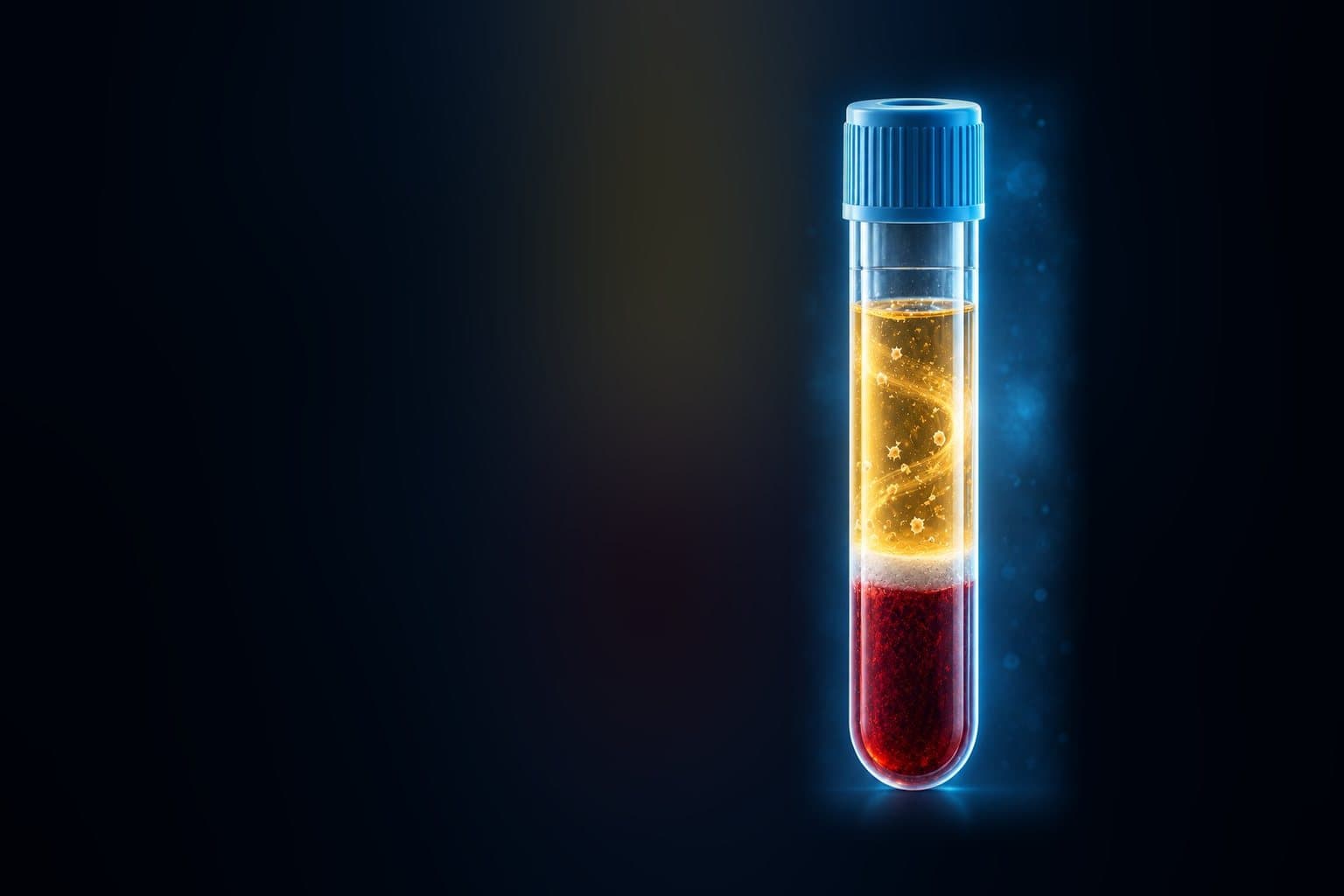
- The Preparation. The sample is spun in a centrifuge in the office, which separates the platelets from the red blood cells, and the concentrate is drawn into a syringe.
- The Injection. The skin is cleaned with an antiseptic and numbed with a spray anesthetic, and the PRP is injected into the joint or around the tendon. Where it helps, ultrasound is used: a probe with a little gel on the skin shows the joint or tendon and the needle on a screen.
- Afterward. A small bandage covers the injection site and can come off after two to three hours, and you can shower as usual.
Breathing slowly and letting the muscles around the joint relax makes the injection more comfortable.
How Soon Can I Walk After a PRP Injection?
You can walk straight away. A PRP injection is a band-aid procedure: you walk out of the office afterward and drive yourself home.
We recommend taking it easy for the rest of that day, and in our experience most patients return to full activity the next. Taking it easy means a quiet rest of the day, not a week of rest: ordinary walking around the house and to the car is fine, and the workout waits for the following day.
Is Worse Pain After a PRP Injection Normal?
Some soreness after a PRP injection is normal. In our experience it is worst in the first few minutes after the injection and then eases quickly, and pain is not much of an issue for patients of any age.
There are two reasons for that soreness. The first is the injection itself: a needle has passed through the skin, and a few milliliters of fluid have been placed in a joint or around a tendon. The second is what PRP is designed to do. The platelets in it release growth factors and other signals within minutes, and they set off a short, local inflammatory response rather than suppressing one. PRP contains no steroid. Cortisone, by contrast, is a steroid medicine designed to quiet inflammation, which is one reason the two injections can feel different afterward.
Pain, swelling or limping the day after a PRP injection is not the usual course. It is a reason to call the office rather than to wait and see.
Inflammation: The First Stage of Healing
The instructions after a PRP injection make sense once you know how the body responds to an injury. Healing in soft tissue follows three overlapping stages.
- Inflammation. In the first hours and days after an injury, platelets gather at the spot, form a clot and release growth factors. Small blood vessels widen, and fluid and white blood cells move into the area, clear away damaged cells and send signals that call in the cells that rebuild tissue. This is the stage that produces the warmth, swelling and tenderness of a fresh injury.
- Proliferation. In the days and weeks that follow, fibroblasts, the cells that make collagen, multiply and lay down new collagen, and new small blood vessels grow into the area.
- Remodeling. Over the following months, the new collagen is reorganized and strengthened along the lines of the loads the tissue carries.
A PRP injection places a concentrate of platelets into a joint or around a tendon, and it is designed to support the first of these stages. That is the reason for each of the instructions that follow.
What to Avoid After a PRP Injection
Anti-Inflammatory Medicines
Non-steroidal anti-inflammatory drugs, known as NSAIDs, include ibuprofen (Advil, Motrin) and naproxen (Aleve). They work by blocking enzymes called cyclooxygenases, or COX, which the body uses to make prostaglandins, the chemical messengers that drive pain, swelling and much of the inflammatory response. Quieting that response is what these medicines are designed to do, and it is the response that PRP is designed to support. For that reason, we recommend avoiding anti-inflammatory medicines around a PRP injection where possible, to give the treatment every advantage.
What to Take for Soreness Instead
Tylenol (acetaminophen) is fine for soreness after a PRP injection, because it relieves pain without being an anti-inflammatory medicine.
Ice
We recommend avoiding ice after a PRP injection where possible, for the same reason as anti-inflammatory medicines. Cold narrows the small blood vessels and slows the local inflammatory response. That is why ice eases the swelling of a sprain, and it is also why it works against an injection designed to stimulate some inflammation.
A Hard Workout on the Day
We recommend leaving a hard workout or sport until the day after the injection.
How Long to Wait to Exercise After a PRP Injection
In our experience, most patients return to full activity, exercise and sport included, the day after a PRP injection, as long as there is no pain, swelling or limping.
Physical Therapy is often recommended alongside PRP and the other Regenerative Medicine treatments. The muscles that support a joint and the tendons that attach them respond to the loads placed on them, and a physical therapist builds strength and movement around the joint in a program that runs alongside the injections.
When to Call the Office
Infection is a rare risk of any injection, PRP included. These signs are a reason to call the office.
- Pain, swelling or limping the day after the injection is a reason to call.
- Warmth or redness that spreads around the injection site is a reason to call.
- Drainage from the injection site, or a fever above 101.5°F, is a reason to call the same day.
If this sounds like you, let's find out why and get you taken care of. Request a Call Back.
Why Choose an Orthopedic Surgeon for PRP Therapy?

PRP Therapy here begins with a full orthopedic evaluation, not a standalone injection.
Double Board Certified in Orthopedic Surgery and Sports Medicine
- Diagnosis First: A complete orthopedic diagnosis before any treatment is recommended.
- Imaging Reviewed: Your MRI and imaging reviewed by a double board certified orthopedic surgeon.
- Precise Placement: Precise, targeted placement in the joint or tendon being treated.
- Surgery If Needed: Surgical options from the same physician when a regenerative treatment isn't the right fit.
Questions People Ask
How soon can I walk after a PRP injection?
You can walk straight away. Patients walk out of the office after the injection and drive home, and in our experience most return to full activity the following day.
Is it normal to have worse pain after a PRP injection?
Some soreness is normal, and in our experience it is worst in the first few minutes and then eases quickly. Pain, swelling or limping the day after the injection is not the usual course, and it is a reason to call the office.
What should I avoid after a PRP injection?
We recommend avoiding anti-inflammatory medicines such as ibuprofen and naproxen, and ice, where possible, because they quiet the inflammatory response that PRP is designed to support. The day of the injection is also a day to take it easy.
How long should I wait to exercise after a PRP injection?
In our experience, most patients return to full activity, exercise included, the day after the injection, as long as there is no pain, swelling or limping.
Can I drive after a PRP injection?
Yes. Patients walk out of the office after a PRP injection and drive themselves home.
Can I put ice on it after a PRP injection?
We recommend avoiding ice after a PRP injection where possible. Cold slows the local inflammatory response, which works against an injection designed to stimulate some inflammation.
What can I take for pain after a PRP injection?
Tylenol (acetaminophen) is fine, because it is not an anti-inflammatory. We recommend avoiding anti-inflammatory medicines such as ibuprofen and naproxen where possible.
Do I need to stop my blood thinner before a PRP injection?
Yes. A blood thinner needs to be stopped before a PRP injection, so mention it when you book and the office will tell you when to stop it.
How should I prepare for a PRP injection?
Bring any imaging you already have, a list of the medications you take and a photo ID, drink water and eat normally beforehand, and wear clothing that leaves the joint easy to reach. We recommend avoiding anti-inflammatory medicines around the injection where possible.
Who is not a good candidate for PRP?
In general, PRP is not given to people with a low platelet count or a bleeding disorder, severe anemia, an active infection, active cancer or cancer near the area, or to people who are pregnant or breastfeeding. Age alone is not a reason to avoid it.
How many PRP injections will I need?
One to three injections is typical, depending on the size of the joint and how you respond.
Should I have Physical Therapy after a PRP injection?
Physical Therapy is often recommended alongside PRP, to build strength and movement around the joint or tendon in the weeks that follow.
If you have more questions, please call the office.
Related
More Articles
- Stem Cell TherapyHow Stem Cell Therapy Is Done, Step by StepStem Cell Therapy is an office injection: after an examination, cells are concentrated from your own bone marrow or prepared from donated cord tissue, then injected into the joint or tendon.October 22, 2026
- Stem Cell TherapyWhat Is BMAC? Bone Marrow Aspirate Concentrate ExplainedBMAC stands for Bone Marrow Aspirate Concentrate: your own bone marrow, drawn from the back of the hip bone, concentrated in a centrifuge and given back by injection in the same visit.October 22, 2026
- PRP TherapyDoes Insurance or Medicare Cover PRP and Stem Cell Therapy?Medicare and the major insurers do not pay for PRP or stem cell injections into a joint or tendon; Medicare covers PRP only for certain chronic wounds.October 22, 2026